
Amid international outreach on terrorism, Kanimozhi’s response to ‘national language’ question highlights India’s deep-rooted linguistic diversity
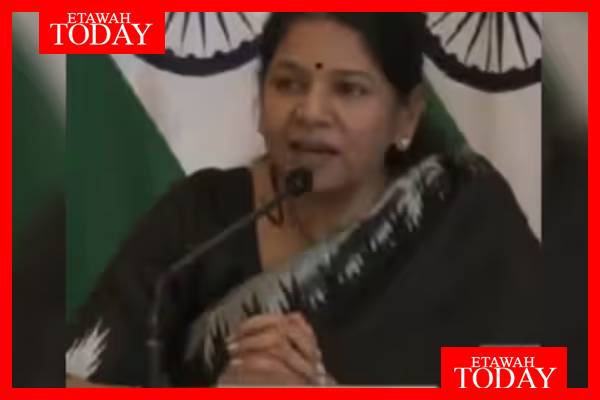
During an international press interaction in Spain, DMK Member of Parliament Kanimozhi Karunanidhi made headlines with a powerful yet polite response to a politically sensitive question: “What is the national language of India?”
Without naming any specific language, Kanimozhi said,
“The national language of India is unity in diversity. That is the message this delegation brings to the world, and that is the most important thing today.”
Her remark, delivered thousands of kilometers away from New Delhi, echoed the ongoing linguistic tension back home, especially in southern states like Tamil Nadu. For decades, the state and its political representatives have strongly opposed what they perceive as attempts to impose Hindi as a dominant language over others.
Backdrop of the Language Debate
The National Education Policy 2020, which recommends a three-language formula—Hindi, English, and a regional language—has stirred concerns across several non-Hindi-speaking states. Critics argue that the policy subtly reinforces Hindi hegemony and marginalizes other regional languages, even though it does not make Hindi mandatory.
The DMK, a prominent political force in Tamil Nadu, has consistently resisted such moves, citing the importance of cultural identity and linguistic equity. The party believes that promoting one language at the cost of others threatens India’s federal spirit and regional autonomy.
A Diplomatic Stage for a Domestic Issue
Kanimozhi is part of a rare all-party Indian delegation currently touring Europe, aimed at fostering international cooperation on terrorism and regional security. The delegation includes members from various political parties including BJP, AAP, Samajwadi Party, National Conference, RJD, and two former diplomats.
Over the coming weeks, seven teams will visit 33 global capitals as part of this cross-party outreach initiative.
Though the tour primarily focuses on security cooperation, Kanimozhi’s nuanced response has brought India’s internal debates on linguistic identity to the global stage—underscoring how deeply language politics shape Indian democracy.
Conclusion:
Kanimozhi’s subtle assertion in Spain reinforces a crucial message—that India’s strength lies not in linguistic uniformity, but in its ability to thrive through diversity. As the country navigates complex global challenges, its domestic unity, rooted in respect for all cultures and languages, remains its most powerful message to the world.