
New exemptions and regulatory changes to fast-track autonomous vehicle innovation
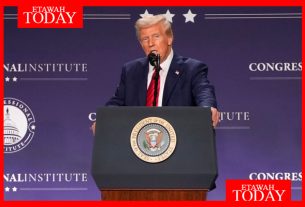
In a major move to stay ahead in the global race for self-driving technology, the Trump administration has announced a series of regulatory changes aimed at boosting the development and deployment of autonomous vehicles by US companies, particularly Tesla.
The changes, introduced by the US Department of Transportation and the National Highway Traffic Safety Administration (NHTSA), allow companies developing self-driving technologies to apply for exemptions from certain federal safety standards — a significant policy shift designed to accelerate innovation.
Limited Exemptions for Research and Demonstration
Officials say the reforms aim to cut bureaucratic red tape and move toward a unified national regulatory framework for self-driving technology.
One of the key components of the reform is the streamlining of crash reporting requirements — an issue Tesla CEO Elon Musk has repeatedly criticized. While companies will still be required to report incidents, the NHTSA has stated it will eliminate “unnecessary and duplicative” requirements to focus more on essential safety data.
These changes mark one of the most significant overhauls of autonomous vehicle regulations in recent years, fulfilling many long-standing demands from Tesla.
Tesla’s Self-Driving “Cybercabs” Coming to Austin
Just a day before the reforms were announced, Elon Musk revealed that Tesla would launch its fully autonomous “Cybercabs” in Austin, Texas this June. These electric vehicles will have no steering wheels or pedals, relying entirely on automation. However, the rollout will require federal exemptions from NHTSA.
Tesla vs BYD: The Tech Race Intensifies
As Tesla pushes forward in the US, it faces stiff competition from Chinese automaker BYD, which launched its own advanced self-driving system, “God’s Eye,” earlier this year. While Tesla’s Full Self-Driving (FSD) feature still requires a driver to be alert, BYD’s system represents a growing technological threat.
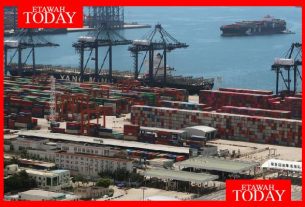
Musk is also reportedly working to expand FSD deployment in China, but ongoing US-China trade tensions have slowed the process.
Conclusion
The latest US regulatory changes represent a bold step toward establishing the country as a global leader in autonomous driving technology. For companies like Tesla, the new framework removes major roadblocks and opens the path for more aggressive innovation and deployment in the self-driving car sector.
Stay tuned to Etawah Today for more updates on technology and transportation innovations shaping our world.