
Leaders Deliberate on Pahalgam Terror Attack, Public Outrage, and Impact on Tourism
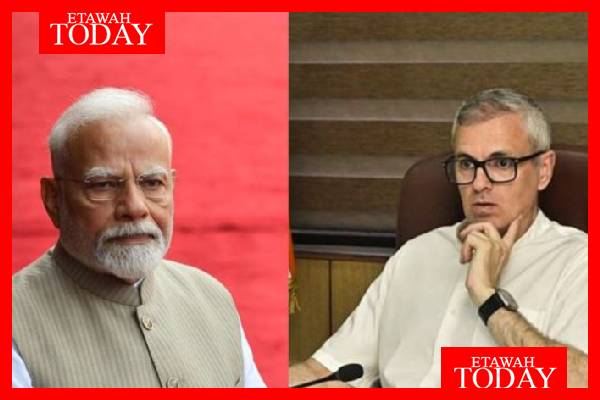
NEW DELHI — Jammu and Kashmir Chief Minister Omar Abdullah met Prime Minister Narendra Modi on Saturday to discuss the prevailing security situation in the union territory, following the recent terror attack in Pahalgam that claimed the lives of 26 people, most of them tourists.
The high-level meeting, which lasted approximately 30 minutes at the prime minister’s official residence, was the first between the two leaders since the April 22 terror attack, officials confirmed.
Briefing on Ground Realities
During the meeting, Abdullah provided the prime minister with a detailed briefing on the ground situation in Kashmir, highlighting the public outrage triggered by the deadly attack. According to sources, he described how spontaneous protests had erupted in various towns and villages across the region — a significant development not witnessed since terrorism first surfaced in the valley in 1989.
The chief minister also praised the bravery of Syed Adil Hussain Shah, a pony ride operator who lost his life while trying to snatch a weapon from a terrorist in a heroic attempt to save the lives of the tourists.
Impact on Tourism and Amarnath Yatra
The leaders also discussed the adverse impact of the terror attack on Kashmir’s tourism sector, which had seen a revival in recent months. Abdullah expressed concern that the incident could hurt the state’s booming tourism economy just ahead of the annual Amarnath Yatra.
The 38-day pilgrimage to the Amarnath shrine is scheduled to commence on July 3, with pilgrims traveling via two routes: the traditional 48-kilometre Pahalgam route in Anantnag district, and the shorter 14-kilometre Baltal route in Ganderbal district.
Officials said preparations and security arrangements for the Yatra were also a major point of discussion between Abdullah and Modi, given the heightened threat perception after the attack.