

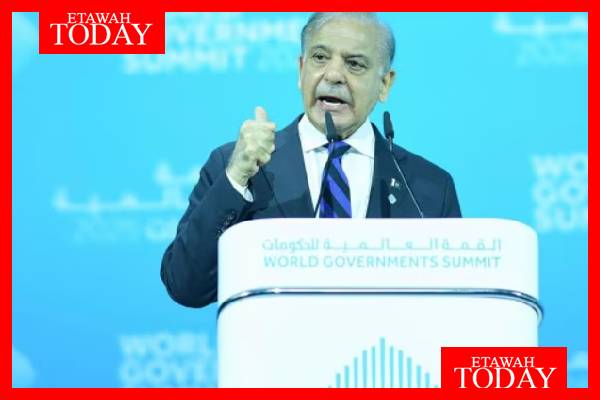
Pakistan PM Shehbaz Sharif reiterates old pattern of “open investigation” offers as India links cross-border terrorism
In the first official response following the devastating Pahalgam terror attack, Pakistan’s Prime Minister Shehbaz Sharif stated Saturday that his country is “open to any neutral, transparent, and credible investigation.” The announcement came amid mounting diplomatic isolation and growing international pressure linking Pakistan-based elements to the attack.
Familiar Pattern of Deflection
Sharif’s offer mirrors a familiar pattern seen after previous terror attacks, where Pakistan proposes participation in investigations to deflect blame and wash its hands of complicity. Historical precedents include similar offers after the 2008 Mumbai attacks, the 2016 Pathankot airbase attack, the Uri attack later that same year, and the 2019 Pulwama attack. However, these offers have rarely translated into meaningful cooperation or accountability.
At the passing-out parade of army cadets at the Pakistan Military Academy in Kakul, Sharif criticized what he called a “perpetual blame game” and reiterated Pakistan’s openness to a neutral inquiry.
India’s Strong Response and Evidence of Cross-Border Links
India has firmly underlined the “cross-border” nature of the Pahalgam attack, citing a blend of technical intelligence and credible inputs that allegedly confirm Pakistan’s connection to the terrorists involved. Prime Minister Narendra Modi reportedly shared this information with 13 global leaders, while senior Indian diplomats briefed ambassadors from over 30 countries in New Delhi.
The Pahalgam attack resulted in the deaths of 26 individuals — 25 Indians (24 tourists and one local resident) and one Nepalese citizen — further straining India-Pakistan relations.
Water Dispute Tensions Rise
In addition to terrorism concerns, tensions between India and Pakistan have intensified over water-sharing agreements. Following India’s decision to suspend the Indus Waters Treaty (IWT), Sharif warned that any attempt to block or divert Pakistan’s rightful water flow would be met with “full force and might.” He described water as Pakistan’s “lifeline and vital national interest.”
India’s Water Resources Minister C R Patil had earlier stated that “not even a drop of water from the Indus river will go to Pakistan,” signaling a tough new stance from New Delhi.
Military Overtones and Kashmir Rhetoric
Sharif also invoked historical sentiments, quoting Pakistan’s founder Muhammad Ali Jinnah by calling Kashmir Pakistan’s “jugular vein.” This rhetoric closely followed provocative remarks from Pakistan Army Chief Gen Munir, which many observers believe foreshadowed the recent escalation in tensions, culminating in the Pahalgam tragedy.
Reaffirming Pakistan’s military readiness, Sharif stated: “Our valiant armed forces are capable and remain fully prepared to defend the country’s sovereignty and territorial integrity against any misadventure.”
Conclusion
As India strengthens its diplomatic case globally and Pakistan falls back on familiar tactics, the international community watches closely. Whether Sharif’s latest “neutral probe” offer will lead to real cooperation remains to be seen — but history suggests skepticism is warranted.